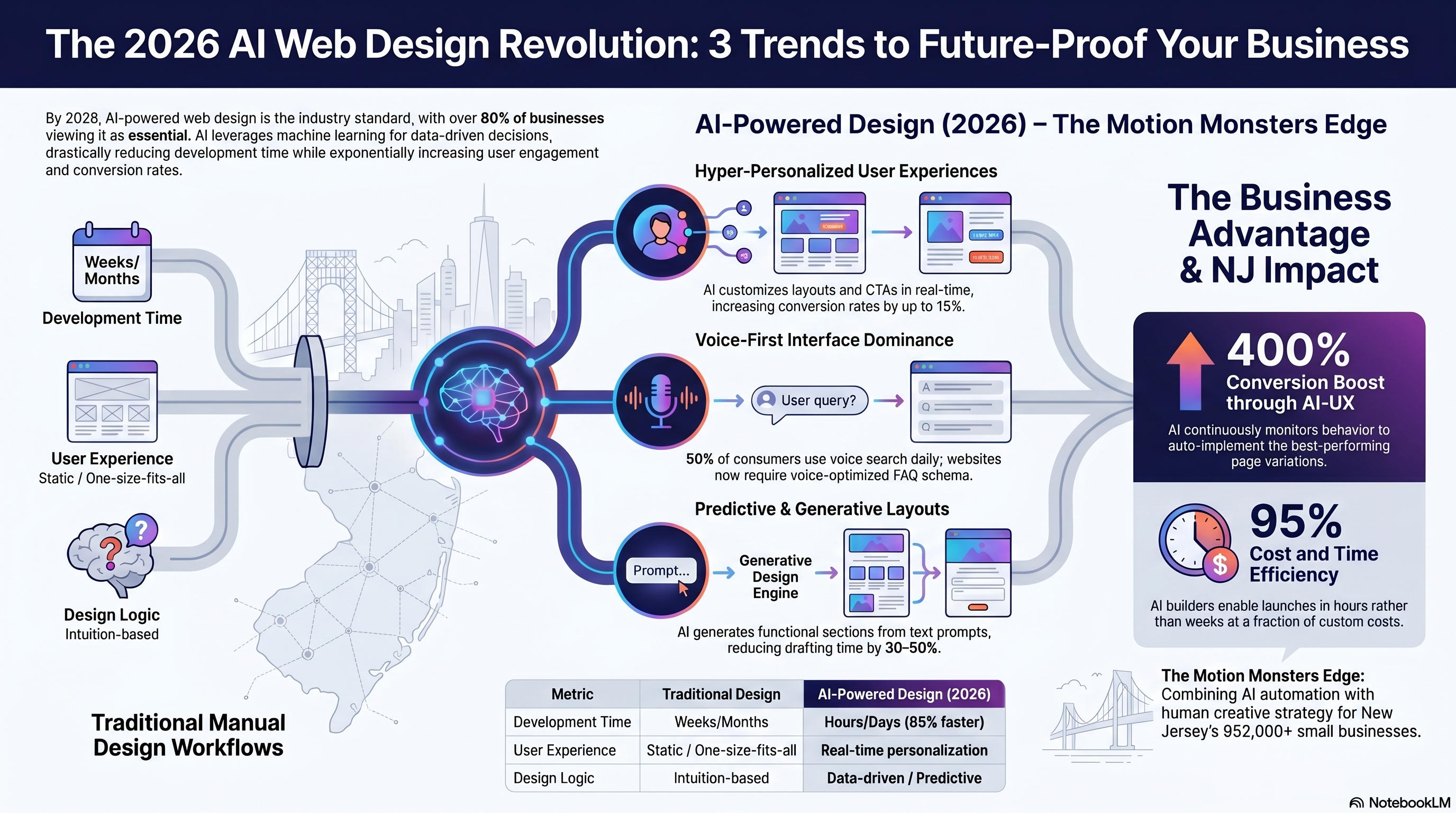


AI-powered web design is reshaping how websites are built, optimized, and experienced in 2026. From automated layout generation to real-time personalization, AI tools are making websites smarter, faster, and more conversion-focused than anything traditional design methods could deliver alone. Businesses that adopt these trends now are pulling ahead of competitors still relying on static, manual-build websites.
AI-powered web design is no longer a future concept — it is the new standard for how competitive websites are built in 2026. Across New Jersey and beyond, businesses are discovering that the old way of building websites — weeks of back-and-forth with designers, expensive custom builds, and static layouts that never change — is being replaced by faster, smarter, data-driven approaches powered by artificial intelligence.
Traditional web design methods are becoming outdated. What once took weeks can now be completed in hours. Professional designers report 30 to 50 percent reductions in layout drafting time using AI tools. Developers save 30 to 60 percent of their coding and testing time. The result is a faster launch, lower cost, and a website that continuously improves based on real user behavior.
This guide covers the seven biggest web design trends being shaped by AI in 2026, the tools driving them, and how businesses can adopt AI in web development to stay competitive. Whether you are rebuilding an existing site or launching from scratch, understanding where web design is heading gives you a strategic edge.
Motion Monsters works with businesses across New Jersey to build AI-driven websites designed around real business outcomes — leads, calls, and sales, not just rankings.
What Is AI-Powered Web Design?
AI-powered web design is the use of machine learning algorithms, data analysis, and automation to generate, optimize, and personalize websites. Unlike traditional web design — where every layout decision, content choice, and UX element is made manually — AI design uses pattern recognition from millions of websites to produce informed, conversion-focused results from simple inputs.
The core distinction matters: traditional design tools automate repetitive tasks like resizing images or formatting text. AI does something fundamentally different. It makes intelligent, data-driven decisions by analyzing what works across industries and applying those insights to your specific project and audience.
How AI Is Changing Website Creation
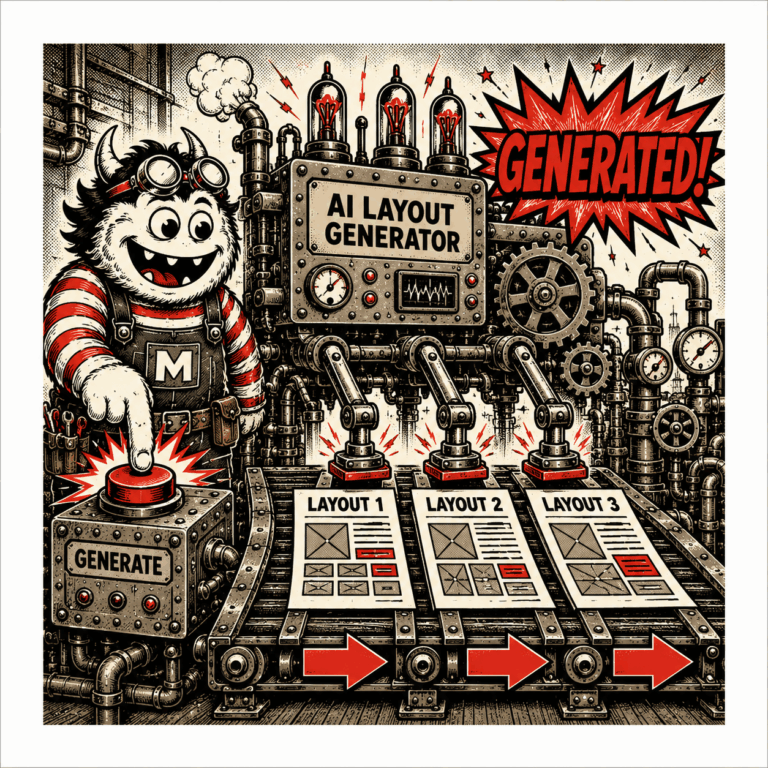
Automated design generation: AI produces multiple layout options from a brief text description.
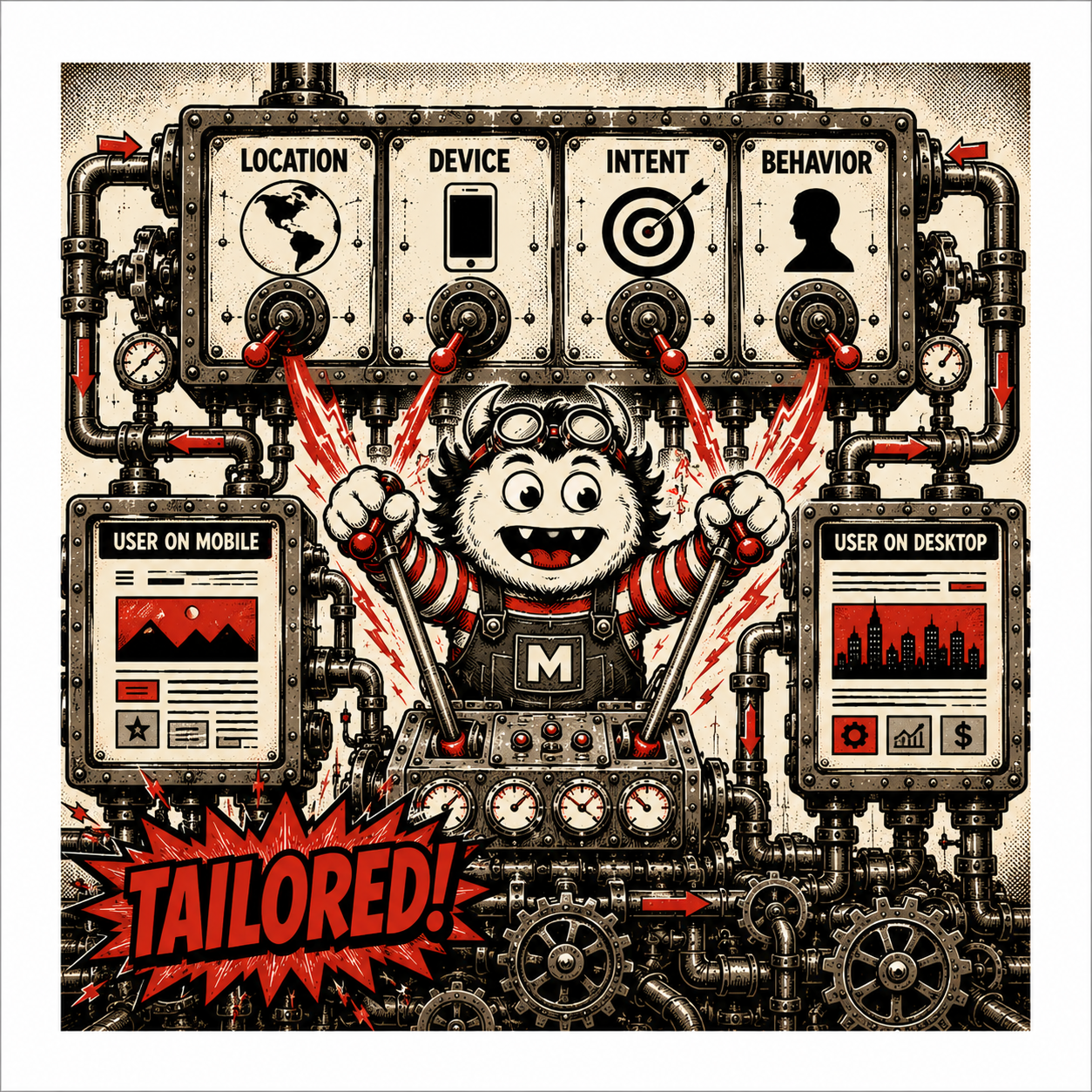
Real-time personalization: Two users visiting the same URL can see entirely different layouts, content, and calls-to-action based on their location, device, browsing history, and intent.
Faster development cycles: AI builders offer up to 95 percent time savings for businesses that need to launch quickly. What traditionally took weeks can now be done in hours.
Reduced manual effort: Developers using AI tools save 30 to 60 percent of their time on coding, testing, and documentation — translating to 15 to 25 hours saved per month.
Top AI Tools Driving Modern Web Design Trens
The shift toward smart website design is being driven by a new generation of AI-powered platforms that put professional-quality web design within reach of any business.
Dental Practice (Newark, Edison, Morristown)
Wix AI has replaced the older ADI system with a chatbot-style builder. Describe your business and goals, and the AI generates a complete multi-page website draft in minutes. Best for beginners and small business owners, with plans from $17 per month.
Framer AI targets creatives, agencies, and startups who need polished marketing sites and landing pages. The AI applies strong design principles — hierarchy, white space, visual flow — and hands you precise controls to refine the output. Free tier available; Pro plans from $15 per month.
Webflow AI is the most powerful option for designers who need granular control. AI features are newer additions to an already mature platform with clean semantic HTML that search engines favor. Best for agencies building complex client sites. Paid plans from $18 per month.
ChatGPT and the OpenAI API are widely used for generating website copy, product descriptions, FAQ content, and structured content blocks. Agencies and in-house teams integrate the API into their CMS workflows to generate on-brand content at scale.
Durable AI targets service-based businesses — contractors, accountants, local retailers — that need a site live fast. It generates a clean, lean website in under 30 seconds. Limited in customization, but unbeatable for speed and simplicity.
7 Web Design Trends Being Shaped by AI in 2026
These are the web design trends defining the competitive landscape in 2026 — and the ones businesses in New Jersey need to understand and act on.
1. AI-Generated Layouts
Generative UI allows designers to create entire functional website sections from a single text prompt. AI draws on conversion data from similar businesses and industries to produce layouts optimized for engagement from day one — not after months of iteration.
2. Voice-Enabled Interfaces
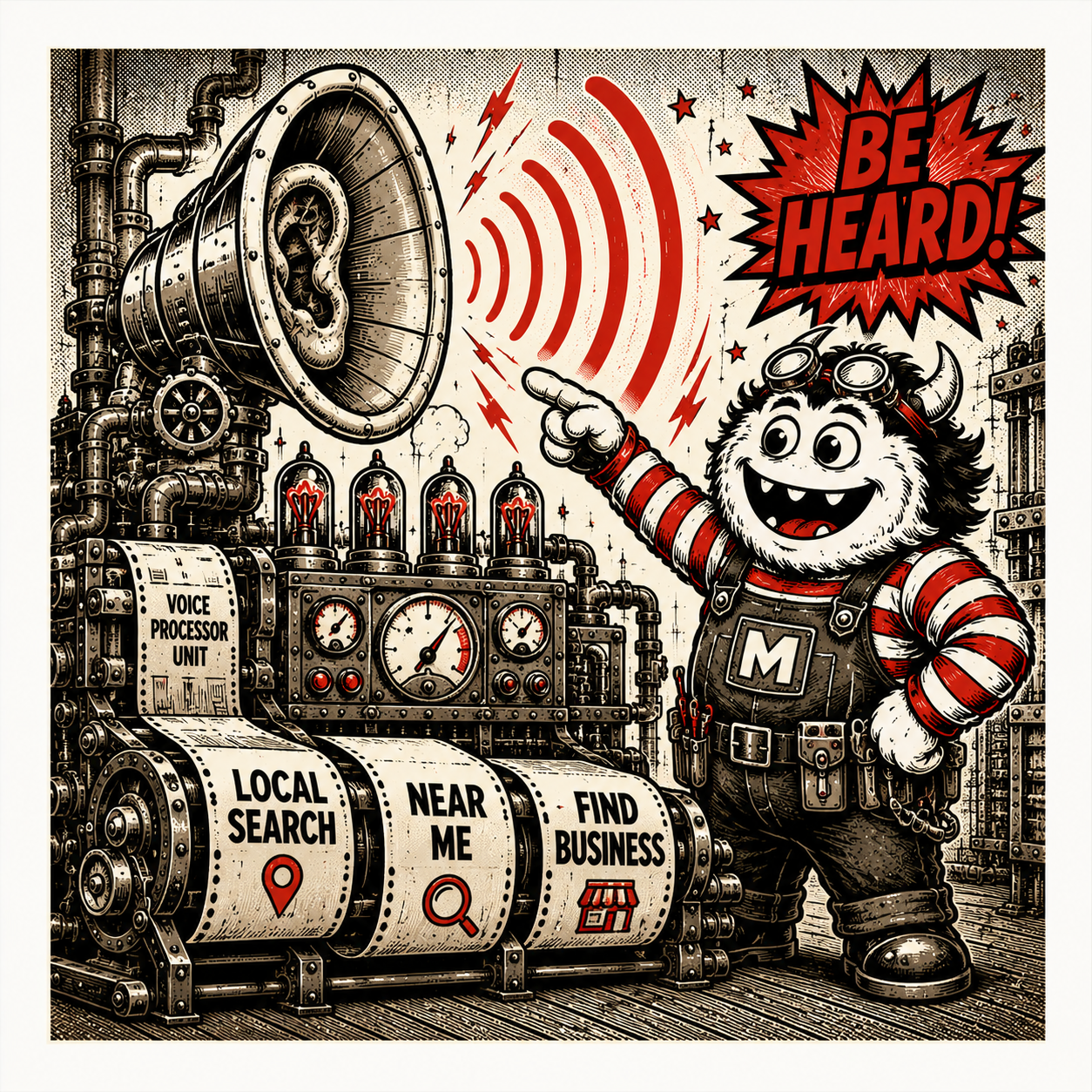
Roughly 50 percent of US consumers use voice search daily. There are now 8.4 billion voice assistants active worldwide, and 58 percent of voice searches are specifically looking for local business information. Websites built without voice-first structure — clear FAQ sections, schema markup, and conversational language — are invisible to a large and growing share of users.
3. AI-Driven UX Optimization
AI continuously monitors click patterns, scroll depth, and exit behavior to understand how visitors interact with every page element. Modern AI systems perform continuous multivariate testing, implement the best-performing variations automatically, and track results in real time without human intervention. Well-designed UX can increase conversions by up to 400 percent.
4. Automated Content Generation
58 percent of marketers currently use generative AI for content creation — a figure HubSpot projects will exceed 80 percent by end of 2026. AI generates layout-optimized content blocks, applies readability-focused formatting, and ensures proper visual hierarchy automatically. Content creation and web design have merged into unified AI-powered production workflows.
5. Predictive Design Systems
AI analyzes competitor sites, industry benchmarks, and broader design trends to contextualize your website's performance and predict what will work best for your specific business type and audience. Small businesses now have access to the same analytical capabilities previously available only to enterprise companies. Data-driven design decisions produce 2 to 3 times higher conversion rates compared to intuition-based design, according to Forrester Research.
6. Real-Time Design Adaptation
The most forward-looking websites in 2026 think, learn, and evolve continuously. AI reorders content based on predicted intent, auto-summarizes complex product pages, and adjusts layouts dynamically based on scroll patterns. AI-driven traffic converts at 14.2 percent, compared to 2.8 percent from traditional Google search.
7. Personalized User Experiences
Website personalization in 2026 goes far beyond inserting a visitor's name. AI platforms customize entire experiences based on geographic location, device type, browsing history, and detected intent. McKinsey data shows AI-driven personalization increases conversion rates by up to 15 percent. Research across case studies shows improvements of 10 to 30 percent in key metrics. Yet only 34 percent of brands are successfully delivering personalized experiences, despite 71 percent of consumers expecting them.
How Businesses Can Adopt AI in Web Development
The data is clear: 82 percent of small business owners believe adopting AI is essential to staying competitive. Yet 51 percent of those experimenting with AI get stuck because they cannot see a clear return on investment. The fix is not to overhaul everything at once — it is to start with a specific goal.
Here is a practical adoption framework for businesses ready to integrate AI in web development:
- Audit your current website. Identify where you are losing visitors — slow load times, high bounce rates, outdated content, poor mobile UX. This determines where AI will deliver the fastest ROI.
- Select the right tool for your needs. Beginners: Wix AI. Creatives and agencies: Framer. Complex or scalable builds: Webflow. Quick service business sites: Durable. Content generation: ChatGPT or the OpenAI API.
- Integrate incrementally. Start with one area — AI-generated copy for your service pages, or a personalization test on your homepage. The learning curve for AI website builders averages just 15 minutes, compared to 4 to 8 hours for traditional platforms.
- Track one metric. Leads, conversions, or time on page. Use the result to refine further. Companies using analytics to inform design decisions achieve 2 to 3 times higher conversion rates than those relying on intuition.
Scale what works. Once a specific tool or feature shows ROI, expand it across the site or into other functions.
The common pitfall to avoid: adopting AI without a measurable goal. Start with a specific page or function, prove the result, then build from there.
Key Benefits of AI-Powered Web Design
AI-powered web design delivers measurable advantages at every stage of the website lifecycle:
Faster development: Up to 95 percent time savings on quick launches. Developers save 30 to 60 percent of coding and testing time.
Lower cost: AI builders start at $15 to $20 per month, compared to $15,000 to $50,000 for a traditional mid-market custom build. Many businesses are replacing expensive agency retainers with AI tools.
Better UX: AI continuously tests and optimizes layout, copy, and structure based on real visitor behavior. Minimal, content-first layouts increase viewing time by roughly 59 percent.
Higher conversions: AI-based personalization improves conversions by 20 to 30 percent. Every $1 invested in UX design returns $100, according to Forrester Research.
Ongoing AI website optimization: AI handles page speed, Core Web Vitals, content structure, and SEO improvements automatically. A one-second improvement in page load time increases conversions by 2 percent.
Key Takeaways
AI-powered web design uses machine learning to generate layouts, personalize experiences, and continuously optimize performance — delivering results faster and at lower cost than traditional methods.
The seven biggest web design trends shaped by AI in 2026 include AI-generated layouts, personalized UX, voice-enabled interfaces, AI-driven UX optimization, automated content generation, predictive design systems, and real-time adaptation.
AI website builders start from $15 to $20 per month — a fraction of the cost of traditional custom web development.
AI-based personalization improves conversions by 20 to 30 percent; McKinsey data shows personalization alone can lift conversion rates by up to 15 percent.
Businesses that adopt AI in web development now are building a measurable competitive advantage over those still relying on static, manually built sites.
Why Motion Monsters Leads in AI Website Design
New Jersey is one of the most competitive business environments in the United States, with over 952,000 small businesses competing not just locally but against Manhattan agencies for digital visibility. A generic template site is not enough in that environment.
Motion Monsters combines AI-driven web solutions with human creative strategy to build custom websites that are designed around conversion from the ground up. Every project focuses on scalable digital systems — not one-off builds that go stale after launch. The approach integrates AI tools for layout generation, content production, and real-time optimization while keeping the brand positioning, messaging, and UX strategy in human hands, where it belongs.
Frequently Asked Questions
1. What is AI-powered web design?
AI-powered web design uses machine learning and automation to generate layouts, personalize user experiences, create content, and optimize performance. Instead of relying entirely on manual design decisions, AI analyzes data from millions of websites to produce informed, conversion-focused results faster and at lower cost than traditional methods.
2. How is AI changing web design in 2026?
In 2026, AI handles automated layout generation, real-time personalization, content creation, UX testing, and performance optimization. It has compressed timelines, reduced costs, and raised expectations for what a finished website should deliver — making it a core part of the professional web design workflow, not an optional add-on.
3. What are the best AI tools for web design in 2026?
The leading tools include Wix AI for beginners, Framer AI for design quality, Webflow AI for complex or scalable builds, Durable for quick service business sites, and ChatGPT and the OpenAI API for content generation and personalization logic. Each serves a different use case and budget level.
4. How much does an AI-built website cost?
AI website builders start from $15 to $20 per month for professional plans — significantly less than traditional custom web design, which ranges from $15,000 to $50,000 for a mid-market build. Many businesses are replacing expensive monthly agency retainers with AI tools, representing cost reductions of up to 95 percent for standard needs.
5. How long does it take to build a website with AI?
AI website builders can generate a complete multi-page website draft in minutes. Platforms like Wix AI and Framer can produce a full design from a text prompt in under five minutes. From start to live, a basic business site can be ready in under 30 minutes using modern AI builders.
6. Is an AI-designed website better than a custom-built one?
It depends on the use case. AI-built sites are faster and cheaper for businesses with standard needs. Custom-built sites deliver more unique brand experiences, complex integrations, and long-term scalability. For businesses in competitive markets like New Jersey, combining AI tools with human creative direction produces the best results.
7. Will AI replace web designers?
No. AI handles the repetitive, time-intensive parts of web design — initial layouts, content drafts, image resizing, accessibility checks. Strategic, creative, and brand differentiation work still requires human expertise. Employment for web developers and designers is projected to grow 7 percent from 2024 to 2034, according to the US Bureau of Labor Statistics.
8. How does AI personalization improve website conversions?
AI personalization adapts content, layout, and calls-to-action based on each visitor’s location, device, behavior, and intent. Rather than showing every visitor the same page, the site adjusts dynamically to what is most likely to convert for that individual. McKinsey data shows AI-driven personalization can increase conversion rates by up to 15 percent.
9. What is AI website optimization?
AI website optimization is the use of AI to continuously improve site performance — including page speed, Core Web Vitals, content structure, SEO, and UX. AI monitors real user behavior, tests variations, and implements the best-performing changes automatically, without requiring manual A/B testing cycles or developer involvement.
10. How does AI improve UX design?
AI monitors click patterns, scroll depth, mouse movement, and exit behavior to understand how visitors interact with every element. It tests variations automatically and serves the best-performing version to each user. AI-powered UX simplifies user journeys, reduces friction, and improves both click-through and conversion rates.
11. Do AI websites rank well on Google?
Yes, when built correctly. Platforms like Webflow generate clean semantic HTML that search engines favor. AI can also produce structured data, FAQ schema, proper heading hierarchy, and fast-loading pages — all of which support SEO performance. AI-generated content should be reviewed and refined before publishing to ensure quality and originality.
12. What web design trends are being driven by AI in 2026?
The seven major AI-driven web design trends in 2026 are: AI-generated layouts, personalized user experiences, voice-enabled interfaces, AI-driven UX optimization, automated content generation, predictive design systems, and real-time design adaptation. Each represents a shift from static, one-size-fits-all websites toward intelligent, adaptive digital experiences.
13. How important is voice search for web design in 2026?
Very important. Roughly 50 percent of US consumers use voice search daily, and 58 percent of voice searches are specifically looking for local business information. Websites that are not structured for voice — with clear FAQ sections, schema markup, and conversational language — risk being invisible when users speak rather than type their queries.
14. What is predictive web design?
Predictive web design uses machine learning to anticipate what a user is likely to want or do before they request it. By analyzing patterns across visitors with similar profiles, the site pre-loads relevant content, surfaces the most useful call-to-action, and reduces friction in the conversion process — improving results without requiring visitor input.
15. Can small businesses afford AI web design tools?
the most accessible digital tools available, with plans starting at $15 to $20 per month and no technical skills required. For small businesses in New Jersey that previously relied on expensive custom builds or agency retainers, AI tools offer a practical, cost-effective path to a professional, high-performing website.
16. What is the difference between an AI website builder and a traditional CMS?
A traditional CMS like WordPress requires manual setup, theme selection, plugin configuration, and design decisions made from scratch. An AI website builder generates a complete, functional site from a plain-language description. AI builders are faster and easier to launch, while traditional CMS platforms offer more flexibility for businesses with complex or evolving needs.
17. How do AI-powered websites help with lead generation?
AI-powered sites improve lead generation through personalized calls-to-action, optimized form placement, behavior-based content recommendations, and continuous conversion testing. AI also improves page speed and UX, both of which directly affect whether a visitor converts into a lead. Well-designed UX can increase qualified lead volume by 200 to 300 percent without requiring additional traffic, according to Forrester Research.
18. Is it safe to use AI for website content?
AI-generated content is safe to use when reviewed and refined by a human editor. Raw AI output can be generic, inaccurate, or misaligned with brand voice. Best practice is to use AI to generate first drafts and structured content blocks, then edit for accuracy, tone, and brand consistency. 94 percent of designers and marketers review and refine AI-generated outputs before publishing.
19. What are the biggest barriers to AI adoption in web design for small businesses?
The most common barriers are security and data privacy concerns (38 percent), lack of time and resources (37 percent), and uncertainty about ROI (34 percent). The most practical solution is to start with one tool applied to one specific page or function, measure the result, and expand from there once ROI is clear.
20. How can New Jersey businesses get started with AI web design?
Start by auditing your current website to identify where you are losing visitors. Then choose an AI tool that matches your needs and technical comfort level. For businesses that want custom development, conversion-focused strategy, and scalable digital systems built to their goals, working with an AI web design agency in New Jersey like Motion Monsters is the most direct path to results.
About Motion Monsters
The result is a website that performs — generating leads, driving calls, and supporting business growth for companies across New Jersey, from Bergen County to Hudson County and throughout the NJ/NYC metro area.
Ready to build a smarter website? Request a Consultation with Motion Monsters today.
About Author
Declan Foley is an Irish Creative Director with over 30 years of experience in design, motion, and visual storytelling. As Creative Director of Motion Monsters, he leads high-end video, motion graphics, drone production, and AI-integrated creative workflows for businesses across New Jersey and beyond. Explore what Motion Monsters can do for your business at motionmonsters.com.